Getting Rid of Unwanted Things Graphics for Modern Infographics
A First Glance at the Visual Language
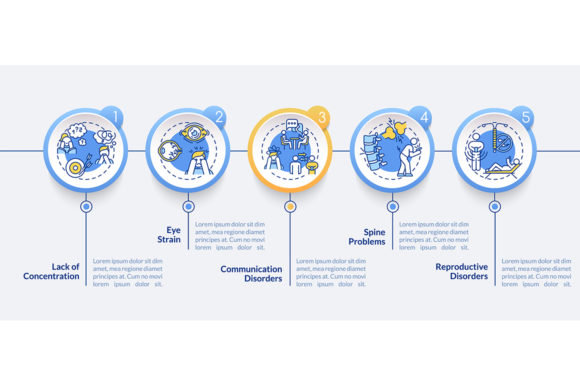
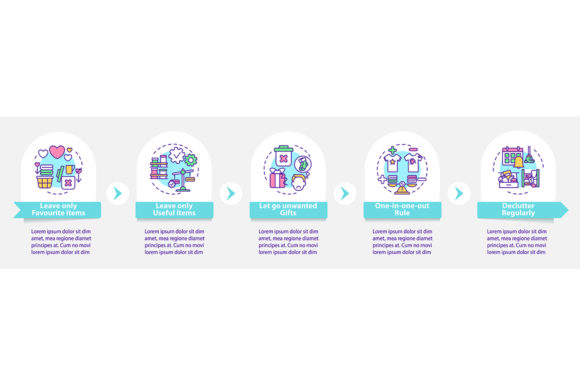
At first glance, Getting Rid of Unwanted Things feels like a well-thought-out vector infographic template designed to simplify complex processes. The use of linear icons and a five-step process timeline immediately communicates clarity and structure. It has a clean, modern aesthetic that works well for brands aiming to convey organization and efficiency in their messaging.
The visual mood is minimalistic yet engaging, with soft curves and subtle gradients that add depth without overwhelming the viewer. This makes it an ideal choice for small businesses or handmade brands looking to present decluttering strategies or workflow processes in an approachable way.
Real-World Application in Design Projects
As a designer working on branding for a local boutique or an Etsy shop, I can see this asset fitting seamlessly into product packaging design, social media graphics, or even website banners. Its data visualization elements are especially useful when illustrating steps in a customer journey, product lifecycle, or service offering.
Where It Shines:
- Hero Graphics: The five-step layout can serve as a central graphic in presentations or marketing collateral.
- Product Mockups: It works well as a background element in mockups for printable wall art or editorial designs.
- Social Media Posts: When resized appropriately, it maintains readability and visual appeal on platforms like Instagram or Pinterest.
- Canva Templates: It’s a great addition to digital design assets used in Canva for quick and professional layouts.
- Cricut Projects: The linear icons and timeline chart can be adapted into sticker designs or cut files for custom merchandise.
Areas to Approach with Caution:
- Small Sizes: The detail in the icons may become less visible when scaled down too much.
- Crowded Layouts: It should be paired with enough white space to avoid visual clutter.
- Minimalist Branding: While it's clean, it might not align perfectly with ultra-minimalist styles that rely on negative space.
Impact on Readability and Brand Consistency
One of the key strengths of Getting Rid of Unwanted Things is its ability to guide the viewer through a process visually. This helps reinforce brand messages related to organization, simplicity, or lifestyle improvements. The consistent use of iconography ensures that the visual hierarchy remains intact across different sizes and formats.
When used in a brand identity system, it adds a touch of professionalism and emotional appeal—especially for audiences who value practicality and aesthetics in equal measure. The design also supports recognition, making it easier for viewers to recall the brand message after seeing the visuals.
However, designers must ensure that the color palette and typography complement the asset. Testing it against various fonts—such as sans serif, serif, or display fonts—can help maintain balance and readability in the final design.
Design Considerations Before Commercial Use
Before using Getting Rid of Unwanted Things in a commercial project, it’s essential to test it thoroughly. Here are some practical notes every designer should consider:
- Black and White Test: Ensure the asset still conveys the intended message without color.
- Contrast Check: Preview it on both light and dark backgrounds to confirm visibility and legibility.
- Size Variations: See how it performs at small sizes, such as for stickers or social media thumbnails.
- Print Quality: If used for print-on-demand products, check the resolution and scalability of the vector file.
- File Format Review: Confirm whether it comes in SVG or PNG format, and if transparency is included for layered designs.
- Licensing: Always verify that the asset includes a commercial license before using it for client projects or selling it as part of a design bundle.
These checks are especially important for digital sellers, print-on-demand entrepreneurs, and small business owners who rely on high-quality, legally sound design assets to maintain their brand image and protect their intellectual property.
Final Thoughts: A Useful Tool for Creative Projects
Getting Rid of Unwanted Things is more than just a vector infographic—it’s a versatile design asset that can elevate the visual storytelling of any project. Whether you're designing for a handmade brand, creating content for a blog, or developing marketing visuals for a new product line, this asset provides a structured and appealing way to communicate ideas clearly.
Its blend of modern design elements and functional layout makes it a valuable addition to any creative toolkit. As long as it's used thoughtfully and tested thoroughly, it can contribute significantly to the overall impression and success of a design project.