Head Injury Vector Infographic Template Review
First Impressions: A Clear, Calm Design for Serious Messaging
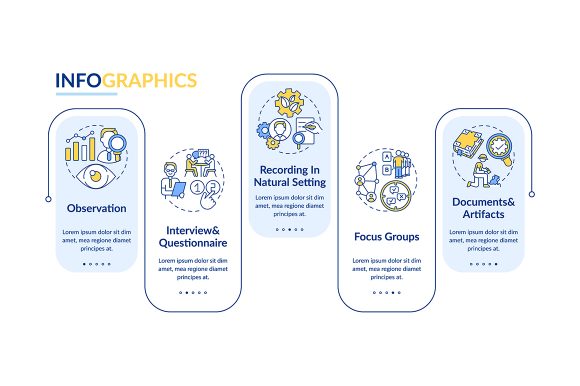
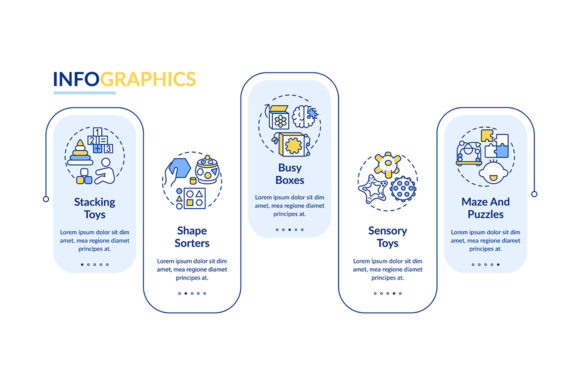
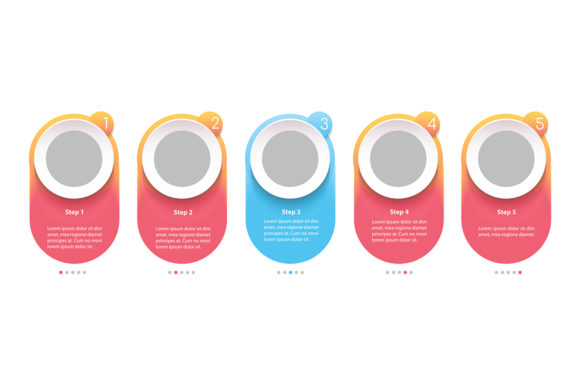
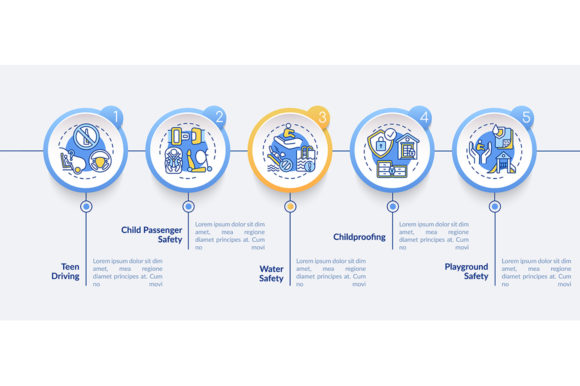
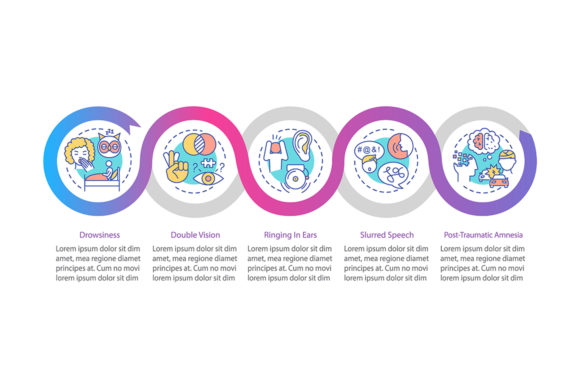
When I first opened the Head Injury Vector Infographic Template, I was struck by its clean lines and structured layout. It immediately felt like a design meant for clarity, not clutter. The brain health theme is well-represented through simple yet effective icons and a five-step process timeline that flows naturally from one section to the next. This kind of visual storytelling is essential when designing for educational or informational embroidery projects, especially those targeting healthcare professionals, educators, or even parents looking for informative baby gear.
The use of linear icons and data visualization makes it easy to see how this template could translate into an embroidered patch or a custom tote bag with a message that's both professional and approachable. It’s the kind of design that feels serious but not cold, which is perfect for creating handmade products that carry meaningful messages without being overwhelming.
Real-Life Embroidery Scenario: Custom Tote Bag for a Health Awareness Campaign
Imagine you're preparing a custom embroidered tote bag for a local health awareness campaign. You want something that conveys information quickly and clearly while still looking stylish. The Head Injury Vector Infographic Template fits perfectly in this scenario. Its five-step workflow chart would be ideal for explaining trauma symptoms or recovery processes in a way that's visually engaging.
I can see this design working well on a larger hoop size, allowing all elements to breathe and remain legible. On a tote bag, the detail level is just right—neither too busy nor too sparse. It gives enough visual interest to draw attention without making the embroidery look chaotic. For a tote bag, using a satin stitch on the icons and fill stitches for the background would give it a polished, finished look that aligns with the message of professionalism and care.
However, if you were to use this on a smaller item like a cap or a patch, you’d need to adjust the scale carefully. Tiny details might get lost, and the stitching clarity could suffer. That’s why testing the design on scrap fabric before committing to a final product is always a good idea.
Where This Design Shines and Where It Needs Caution
The Head Injury Vector Infographic Template shines on medium to large surfaces where the visual elements can be fully appreciated. It works exceptionally well for custom apparel like sweatshirts, t-shirts, and tote bags. The structure of the infographic makes it suitable for educational purposes, such as baby clothes with informative labels or nursery decor that communicates important health messages in a soft, approachable way.
On the flip side, this design isn’t ideal for small hoop sizes or items with textured fabrics. If you're planning to embroider this on a stretchy fabric like a cap or a pillow cover, you’ll need to consider stabilizer use and stitch density to ensure the design holds up after washing and wearing. Similarly, dark fabric backgrounds may require careful thread color selection to maintain contrast and readability.
For commercial embroidery, this template offers great value as a digital embroidery file that can be adapted across multiple products. However, it’s important to check licensing terms before selling any finished items or digital assets based on this design. Always confirm whether the design is intended for personal or commercial use to avoid legal issues down the line.
Design Notes for Embroidery Success
If you’re considering using the Head Injury Vector Infographic Template for your next project, here are a few practical steps to ensure success:
- Test on scrap fabric: Before cutting fabric or finalizing your order, test the design on a piece of scrap material to see how the stitches look and feel.
- Check thread color contrast: Ensure that the colors used in the design stand out against the fabric you plan to use. Dark fabrics may require lighter thread shades for visibility.
- Review stitch density: High-density areas may cause puckering or stiffness, so adjust the design or use proper stabilizers accordingly.
- Confirm hoop size: Make sure your hoop can accommodate the full design without stretching or distorting the fabric.
- Inspect small details: Icons and text should be clear and legible at the intended scale.
- Use black and white mockups: This helps identify potential issues with contrast and clarity before stitching.
- Compare light and dark backgrounds: Some designs work better on certain fabric tones, so test both options.
- Use proper stabilizer: Especially on stretchy or thin materials, a good stabilizer will help keep the design flat and secure.
Whether you're an Etsy seller, a craft business owner, or a hobbyist creating personalized gifts, the Head Injury Vector Infographic Template offers a versatile foundation that can be adapted to various embroidery projects. Just be mindful of the surface, fabric type, and scale when bringing it to life.
In summary, this infographic template has a strong visual personality that translates well into machine embroidery designs, applique designs, and more. It’s a solid choice for anyone looking to create informative, professional-looking embroidery projects that resonate with their audience and enhance the overall value of their handmade products.