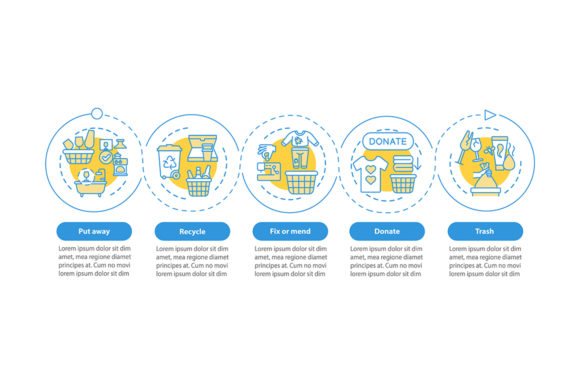
Organizing Things Vector Infographic
First Impressions: A Structured Approach to Visual Design
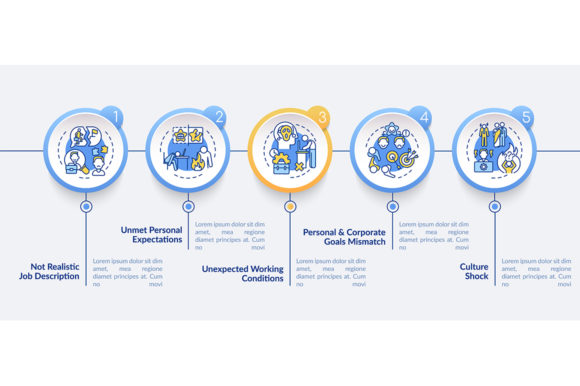
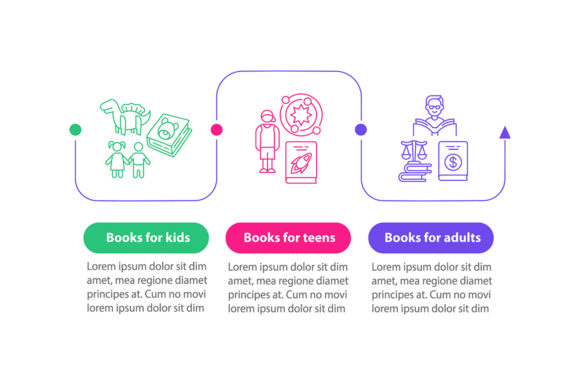
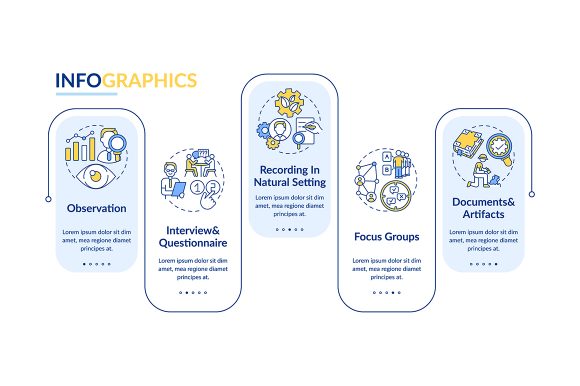
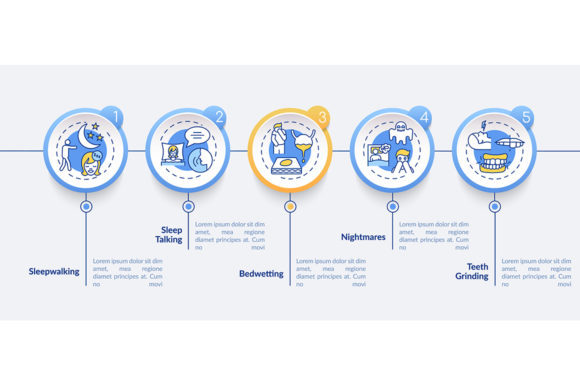
When I first opened the Organizing Things Vector Infographic, I was struck by its clean, logical layout. The design feels purposeful—like a roadmap for organizing ideas or tasks. It’s not overly complex, which is great for embroidery projects that need clarity without visual clutter. The use of linear icons and a 5-step process timeline gives it a modern, infographic feel that translates well into both digital and physical formats.
The mood it creates is professional yet approachable. It’s the kind of design that would work well on a custom tote bag or a personalized sweatshirt, where the message needs to be clear but not overwhelming. The vector nature of the design makes it scalable, so whether you're using it on a small patch or a large banner, it maintains its integrity.
Real-Life Scenario: Custom Embroidered Tote Bag
Imagine preparing a custom embroidered tote bag for a small shop selling organizational products. You want the design to reflect the brand's message clearly. The Organizing Things Vector Infographic fits perfectly here. Its structured layout with step-by-step visuals can be stitched in a way that highlights each category or process without becoming busy.
I envision this design as an applique piece on a natural linen tote. The linear icons could be outlined with satin stitch for definition, while the background areas could be filled with running stitch to keep the overall look soft and breathable. The simplicity of the design ensures that even on a larger hoop size, the details remain crisp and recognizable.
Performance in Real Embroidery Situations
This design works well across a range of embroidery projects. On custom apparel like t-shirts or sweatshirts, it adds a subtle touch of professionalism. For tote bags, it becomes a statement piece that communicates the product's purpose visually. It also has potential for babies' clothing, where the clean lines and gentle theme make it suitable for young audiences.
On patches or caps, the design can be adapted to smaller scales, though care must be taken with detail placement. The workflow layout with linear icons can be used as a decorative element on aprons or kitchen towels, adding a functional aesthetic to everyday items.
Where to Use with Caution
While the Organizing Things Vector Infographic is versatile, there are scenarios where it may require extra attention. On small hoop sizes, some of the icons might lose their clarity, so testing on scrap fabric is essential. Textured fabrics or thin materials can challenge the stitching density, especially around detailed corners or dense stitch areas.
For dark fabric backgrounds, thread color contrast should be carefully considered. Using light-colored threads on dark fabric can enhance visibility, but it’s important to check how the final embroidered patch or sweatshirt embroidery looks under different lighting conditions. Stretchy fabrics or curved surfaces like caps may also affect how the design lays and stitches, requiring proper stabilizer use.
Visual Appeal and Practical Value
The Organizing Things Vector Infographic contributes to the visual appeal of any handmade product by offering a sense of order and clarity. It enhances product value by making the item more informative or thematic, which can increase customer trust and engagement. For Etsy sellers or craft business owners, this design can serve as a unique branding element that stands out in a crowded marketplace.
Its professionalism and brand consistency make it ideal for commercial embroidery or digital embroidery files sold as design assets. When used on personalized gifts or holiday embroidery, it adds a thoughtful, organized touch that resonates with buyers looking for meaningful, well-designed items.
Embroidery Designer Notes
Before using the Organizing Things Vector Infographic in your next project, take time to test it on scrap fabric. Check thread colors against your chosen fabric to ensure good contrast. Review stitch density and adjust if needed, especially for lightweight or stretchy fabrics.
Confirm the hoop size required for the design and consider using a stabilizer for delicate materials. Inspect small details closely, as they may be lost when scaled down for small shop products or printable mockups. Always test the design in black and white to see how it translates under different conditions.
Finally, check licensing terms before using the design for commercial embroidery or selling digital embroidery files. Ensuring legal compliance is crucial for craft business owners and digital product sellers.
A Versatile Asset for Creative Entrepreneurs
The Organizing Things Vector Infographic is a practical, adaptable design that can elevate a wide range of embroidery projects. Whether you're creating personalized gifts, small shop merchandise, or custom apparel, this design brings structure and clarity to your work. Its versatility makes it a valuable addition to any design assets collection, helping you stand out in the world of handmade and creative entrepreneurship.