Urban Utility Embroidery Design Review
A First Look at Urban Utility and Facility Service
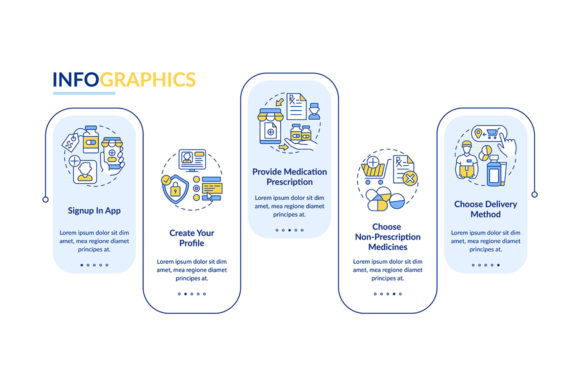
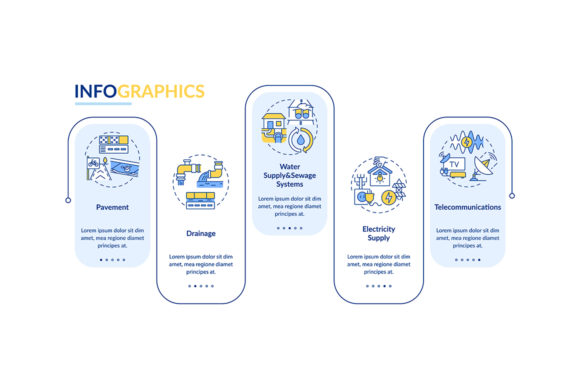
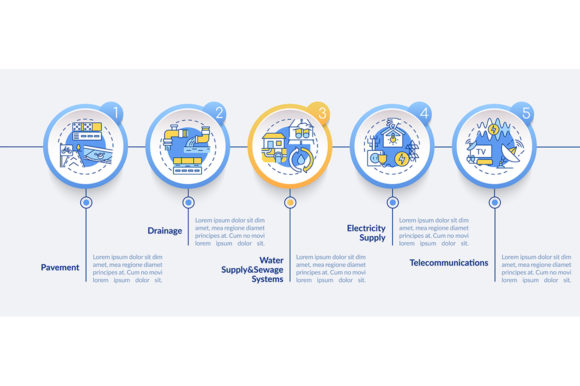
When I first opened the Urban Utility and Facility Service vector infographic template, I was struck by its clean, modern layout. The design feels purposeful—like a visual roadmap for a complex process. With elements like a 5-step data visualization, a process timeline chart, and workflow layout with linear icons, this graphic isn’t just decorative; it tells a story.
The mood is professional yet approachable, which makes me think of how well it could translate into an embroidered piece. It’s not overly detailed, but it has enough structure to be recognizable even when stitched on fabric. This kind of clarity is important, especially if you're aiming for a handmade product that communicates something specific, like a custom tote bag or a patch for a small shop.
How It Works in Real Embroidery Projects
I imagine using this design in a few different ways. For a custom apparel project, like a sweatshirt or t-shirt, the infographic’s linear icons and step-by-step layout would work well as a subtle background detail. It could also serve as a bold statement on a tote bag or apron, especially if paired with a minimalist color palette.
For craft business owners or Etsy sellers, this design might be ideal for creating personalized gifts like embroidered pillow covers or kitchen towels. Its structured look would fit well with home décor items, and the process timeline could be a great conversation starter for customers interested in utility or facility services.
If you're thinking about embroidered patches or cap designs, keep in mind that the details might get lost on smaller hoops. But for larger projects like blankets or nursery decor, the design's clarity shines through. It's also worth considering how it looks on dark fabric—I’d suggest testing thread colors for contrast before finalizing any embroidery file.
Where to Use It Carefully
This design works best on medium to large hoop sizes. If you're working with small hoop sizes, some of the finer details might be compromised. Similarly, if your fabric is textured, thin, or stretchy, the stitching may not hold up as cleanly. That said, with the right stabilizer and careful planning, it can still be a strong choice for handmade products.
Another thing to consider is layered garments or curved surfaces like caps. The linear icons and workflow layout are more suited for flat, smooth surfaces. If you’re going for holiday embroidery or nursery decor, this design might be too formal unless adapted with softer elements.
Design Impact and Practical Notes
The Urban Utility and Facility Service design adds a layer of professionalism to any embroidered project. It elevates the visual appeal of a finished product, making it more attractive to buyers who value clarity and quality. Whether it's a custom apparel item for a client or a personalized gift, this design helps convey a sense of purpose and intention.
For commercial embroidery or digital embroidery files, I recommend testing the design on scrap fabric first. Check the stitch density and ensure that the thread colors contrast well against your chosen fabric. Also, inspect small details closely—especially if you're aiming for a printable mockup or design assets that need to look consistent across multiple products.
Don’t forget to review the hoop size requirements and confirm whether the design is suitable for both personal use and commercial sale. Always check the licensing terms before selling any finished items or digital versions of the design.
Final Thoughts on Urban Utility and Facility Service
In summary, the Urban Utility and Facility Service vector infographic is a versatile and functional design that can bring a touch of organization and clarity to many embroidery projects. From sweatshirt embroidery to embroidered patches, it has the potential to stand out in the right context.
If you're an Etsy seller, small shop product creator, or craft business owner, this design could be a valuable addition to your collection. Just remember to test it thoroughly, pay attention to fabric compatibility, and always prioritize stitch clarity and customer experience.