Virtual Assistant Skills Infographic: A Graphic Design Asset for Modern Projects
A First Glance at the Visual Language
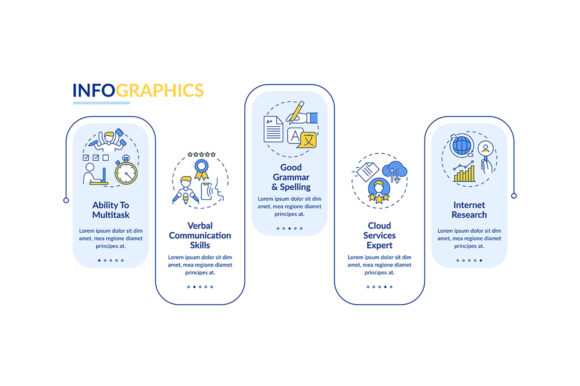
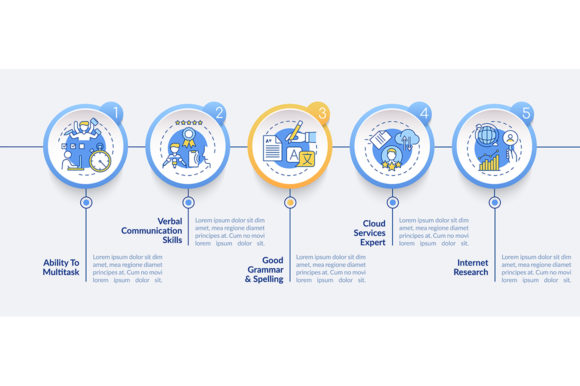
Opening Virtual Assistant Skills Infographic feels like stepping into a well-organized office space. The layout is clean, structured, and visually balanced. It brings a sense of professionalism and clarity to the table. This infographic isn’t just about listing skills—it tells a story through its design elements. The use of linear icons and a five-step process timeline creates a natural flow that guides the viewer’s eye from one section to the next.
The mood it sets is calm, focused, and slightly modern. It represents a style that fits well with corporate or small business branding but still has enough versatility to adapt to creative projects. The color palette is muted, which allows it to blend seamlessly into most brand identities without overpowering other design elements.
Where This Infographic Shines in Real Projects
Virtual Assistant Skills Infographic can be a powerful tool when used in the right context. In a branding project, it could serve as a visual anchor for explaining the services of a virtual assistant agency or an office management company. Its data visualization format makes it ideal for marketing visuals, editorial design, or even product packaging where clear information delivery is key.
In digital product design, this infographic could support a website hero section, blog post header, or social media graphic. It works particularly well in large layout areas where detail and structure are appreciated. For example, a handmade brand launching an online course on time management might use this asset to illustrate the benefits of hiring a virtual assistant in a series of Instagram posts or Pinterest pins.
Printable designs such as posters, flyers, or wall art can also benefit from this infographic’s structured layout. When paired with a minimalist background, it adds depth and visual interest without clashing with the surrounding content.
Areas to Approach with Caution
While Virtual Assistant Skills Infographic is a strong asset, it may not perform equally well in every situation. In small sizes, the linear icons and text elements can become less legible, especially if scaled down for use in a logo or sticker design. It’s best to test it in black and white first to ensure the contrast remains effective across different backgrounds.
On complex or busy layouts, this infographic might feel too structured, potentially competing with other design elements. If the project requires a more minimalistic approach, consider using it as a decorative accent rather than a central feature. Similarly, for professional corporate materials that demand a very clean visual hierarchy, this infographic might need simplification or reworking to align with the brand’s tone.
Design Considerations Before Commercial Use
Before incorporating Virtual Assistant Skills Infographic into a client project, there are several practical checks to consider. Test it at both small and large sizes to ensure it maintains its clarity. Place it on real mockups—whether digital or physical—to see how it interacts with other design elements.
Review the file formats provided. If SVG or PNG transparency is included, that opens up more flexibility for editing or layering in design software. Check the commercial license to confirm it’s suitable for your intended use, whether that’s for a print-on-demand product, Etsy shop, or Canva template.
Contrast is another important factor. Preview the infographic on both light and dark backgrounds to ensure readability remains intact. Pairing it with different font styles—such as serif, sans-serif, script, or display fonts—can help maintain visual harmony while ensuring the message stays clear.
Enhancing Brand Consistency and Professionalism
One of the strongest aspects of Virtual Assistant Skills Infographic is its ability to reinforce brand consistency. Its structured layout and clean presentation make it a reliable choice for supporting brand identity across various platforms. Whether used in marketing visuals, packaging design, or web design, it helps maintain a cohesive look that builds visual trust with the audience.
Its emotional appeal lies in its simplicity and clarity. It doesn’t shout; it speaks clearly. This makes it especially useful for small business branding, where the goal is to communicate value efficiently. For handmade businesses or local event promotions, this infographic can help convey professionalism without feeling overly corporate.
When used effectively, it can elevate the overall impression of a design project, making it feel more polished and intentional. It supports audience engagement by delivering information in a visually appealing format, which is crucial for content creators, bloggers, and marketers looking to stand out in crowded digital spaces.
Final Thoughts on Practical Application
Virtual Assistant Skills Infographic is a versatile graphic design asset that can enhance a variety of creative and commercial projects. From brand identity work to social media graphics, it offers a structured yet flexible approach to visual storytelling. However, its effectiveness depends on thoughtful placement, proper scaling, and alignment with the overall design goals.
For designers working on a range of products—from Cricut projects to sublimation design—it’s worth considering how this infographic can complement existing assets or add a new dimension to a visual narrative. As long as it’s tested, adapted, and used thoughtfully, it can be a valuable addition to any designer’s toolkit.