Changing Gender Roles Vector Infographic
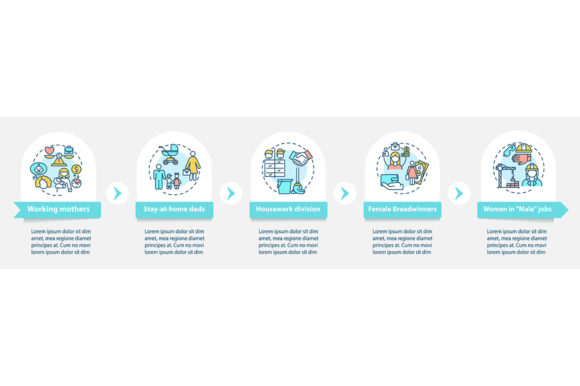
As an experienced blog designer and digital publisher, I’ve reviewed countless graphic design assets for real-world content publishing. The Changing Gender Roles Vector Infographic stands out as a versatile tool that can elevate editorial quality and visual communication across various platforms. This infographic template is built with housework division presentation design elements, making it ideal for data visualization that breaks down complex topics into digestible steps.
First Impressions and Editorial Mood
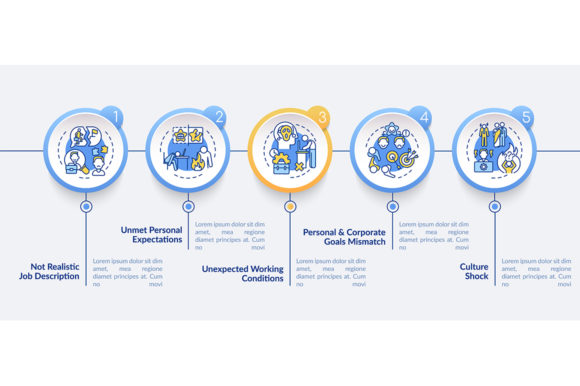
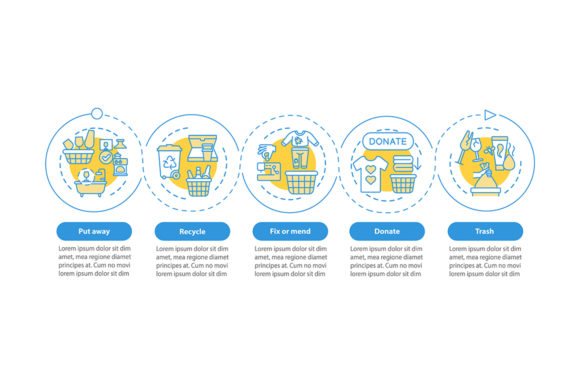
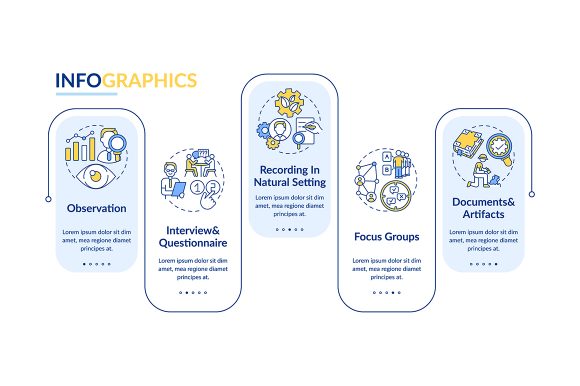
The first thing that catches the eye about this infographic graphics asset is its clean, modern aesthetic. It exudes a professional yet approachable vibe, which makes it suitable for lifestyle-focused or educational content niches. The use of a process timeline chart with linear icons gives it a structured feel, perfect for explaining how gender roles have evolved over time.
This design naturally supports content that aims to inform and engage readers without overwhelming them. Its data visualization with 5 steps creates a logical flow, helping viewers follow along easily. The color palette and layout suggest a modern, progressive theme—ideal for content targeting awareness campaigns, social issues, or personal development topics.
Real Publishing Use Cases
The Changing Gender Roles Vector Infographic can be used in numerous ways within a content marketing strategy. Here are some practical applications:
- Blog Featured Images: As a hero image or header graphic for articles discussing societal changes, gender equality, or workplace dynamics.
- Pinterest Graphics: To create visually appealing pins that drive traffic to your blog or affiliate content.
- Newsletter Banners: For introducing new content series or downloadable resources related to gender roles and social trends.
- Downloadable Resources: Included in digital guides, worksheets, or printable designs that help readers explore the topic further.
- Social Media Previews: Used as cover images for Instagram posts, Facebook updates, or LinkedIn articles to increase engagement.
Its versatility also makes it a great fit for Canva templates or digital product packaging, especially if you're creating content around social change, education, or personal growth.
Supporting Content Performance
One of the biggest advantages of using this infographic is how it enhances visual hierarchy. By breaking information into clear, numbered steps, it helps readers quickly grasp key points without getting lost in text. This clarity improves click-through potential, especially when used as a Pinterest pin or social media graphic.
Additionally, the consistent style and structure of the Changing Gender Roles Vector Infographic contribute to stronger brand identity and reader trust. When used consistently across different content formats, it reinforces your visual brand and makes your content more recognizable and professional-looking.
Where This Design Works Best
This infographic shines in situations where visual storytelling matters most. Some of the best places to use it include:
- Hero Images: On landing pages or category pages that focus on social issues or lifestyle content.
- Article Thumbnails: To draw attention to long-form articles or guides on gender-related topics.
- Editorial Accents: Used as sidebars or pull quotes in blog layouts to highlight key insights.
- Lead Magnets: Embedded in opt-in forms or gated content to encourage downloads and sign-ups.
- Category Visuals: To differentiate sections of your website or blog that focus on specific themes.
It’s also well-suited for digital downloadables like eBook covers, printable infographics, or media kits that require a polished, informative look.
Use with Caution
While the Changing Gender Roles Vector Infographic is highly adaptable, there are scenarios where it might not be the best choice. Avoid using it for:
- Small Mobile Thumbnails: The details may become too small or hard to read on mobile devices.
- Text-Heavy Blog Images: If your content already has dense text, adding another visual element could overwhelm the reader.
- Low-Contrast Backgrounds: The infographic may lose visibility against busy or dark backgrounds.
- Busy Layouts: It works best when given space to breathe, so avoid placing it next to too many other design elements.
- Corporate or Serious Professional Niches: Its modern, approachable style may not align with very formal or traditional branding.
Publisher Notes and Practical Tips
Before using this infographic in any live content, consider the following:
- Test on Desktop and Mobile: Ensure the design scales well and remains readable across all screen sizes.
- Check Thumbnail Preview: How does it look as a small image? Does it still communicate the main idea?
- Preview Inside Real Blog Layouts: See how it interacts with surrounding content and fonts.
- Test with Headline Text: Make sure the infographic complements your headlines and doesn’t clash with them.
- Review Contrast and Readability: Especially important for accessibility and SEO-friendly content.
- Try in Black and White: Assess if the design holds up without color.
- Place Beside Different Fonts: Test it with serif, sans serif, script, handwritten, and display fonts to see what looks best.
- Confirm File Size and Web Performance: Compress images properly to ensure fast loading times.
- Review Commercial Licensing: Before using it on monetized websites, affiliate pages, or paid content products, confirm that the license allows commercial use.
In conclusion, the Changing Gender Roles Vector Infographic is a powerful design asset that can enhance your web design, editorial design, and content marketing efforts. Whether you’re working on a blog, newsletter, or digital guide, this infographic offers a professional, modern look that supports both reader engagement and brand consistency.