Halal Food Label Design for Embroidery Projects
A First Look at the Halal Food Label Product Design Template
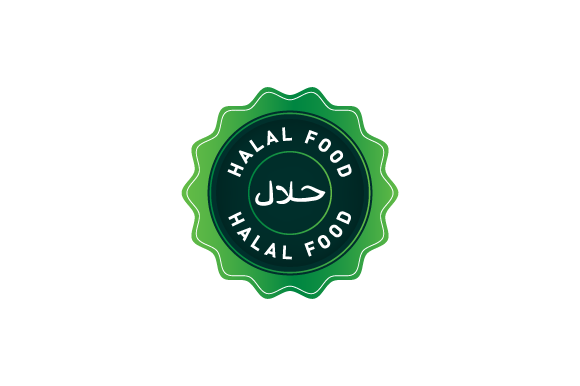
When I first opened the Halal Food Label Product Design Template, I was immediately drawn to its clean, minimalist aesthetic. The design feels professional yet approachable, making it a versatile option for a variety of embroidery projects. It carries a subtle but clear message of authenticity and quality, which is exactly what you want when designing for food-related items or handmade products that need to communicate trust.
The layout is well-structured, with enough detail to be informative without overwhelming the viewer. It uses simple shapes and typography that work well in both small and large formats. This makes it ideal for use on items like embroidered patches, tote bags, or even baby clothing where clarity and legibility are key.
Real-Life Application: Customizing a Tote Bag with the Halal Food Label Design
Let’s imagine a real-life scenario where this template could shine. Suppose I’m preparing a custom embroidered tote bag for a local boutique that sells organic and halal-certified products. The goal is to create a branded item that stands out while clearly communicating the product's values.
Using the Halal Food Label Product Design Template, I would start by testing the design on a scrap fabric to see how it stitches up. The design includes elements that can be easily adapted to different sizes and placements. For example, the label itself could be used as a central feature on the tote, or broken down into smaller elements for a more scattered look.
I’d check the stitch density to make sure it doesn’t become too busy when placed on a larger surface. Since the template comes in multiple file formats—like Ai, Eps, Svg, Png, and Jpg—it gives me flexibility depending on the software I'm using. This is especially helpful if I need to tweak the design slightly before sending it off to be stitched.
Where This Design Works Best and Where to Be Careful
The Halal Food Label Product Design Template performs well on most standard fabrics, particularly medium-weight cotton or polyester blends. It works great for items like sweatshirts, t-shirts, aprons, and pillow covers. The simplicity of the design allows it to blend seamlessly with other embroidery elements or stand alone as a statement piece.
However, there are some situations where I would use caution. If planning to embroider this design onto small hoop sizes or textured fabrics, it might lose some of its clarity. Similarly, using it on dark-colored fabrics could require careful selection of thread colors to ensure visibility. Also, for curved surfaces like caps or hats, the design might need slight adjustments to maintain its shape after stitching.
Another consideration is the stabilizer used during the embroidery process. Without proper backing, the design may not hold up well, especially if it’s being used on thin or stretchy fabrics. Testing the design on a sample fabric first is always a good idea to avoid any surprises later on.
Visual Appeal and Branding Impact
One of the biggest advantages of the Halal Food Label Product Design Template is how it enhances the visual appeal of the finished product. Whether it's used as an applique design or part of a larger embroidery project, the label adds a touch of professionalism and authenticity. This is especially important for handmade products, personalized gifts, or small shop merchandise that rely on strong branding to stand out in competitive markets like Etsy or craft fairs.
For Etsy sellers or craft business owners, having a consistent design across all products helps build brand recognition. Using this template consistently on items like embroidered patches, tote bag designs, or sweatshirt embroidery can help create a cohesive look that customers come to associate with your brand.
Practical Embroidery Designer Notes
If you're considering using the Halal Food Label Product Design Template in your next project, here are a few practical tips:
- Test on scrap fabric first to see how the design looks and stitches up.
- Check the thread color contrast against the fabric you plan to use.
- Review the stitch density to ensure it won't cause puckering or distortion.
- Confirm the hoop size needed for the design before starting the embroidery process.
- Inspect small details to ensure they remain visible after stitching.
- Test the design in black and white mockups to see how it translates on different backgrounds.
- Use proper stabilizer to prevent shifting or stretching during the embroidery process.
- Check whether the design is suitable for both personal and commercial projects.
- Always confirm the licensing terms before selling finished items or digital products.
The Halal Food Label Product Design Template offers a solid foundation for any embroidery designer looking to add a touch of authenticity and clarity to their projects. Whether you're working on custom apparel, holiday embroidery, or commercial embroidery, this design has the potential to elevate your finished product and leave a lasting impression on your customers.